
Workday & HRIS
Functional-technical ownership across HCM, Absence, Benefits, Recruiting, reporting, data, security, and post-go-live operations.
I spent more than a decade leading people and operations before moving into HR technology, Workday, integrations, and practical AI. I know what messy processes feel like for the people who have to live with them. Now I build better ones.
People first. Systems that actually work.
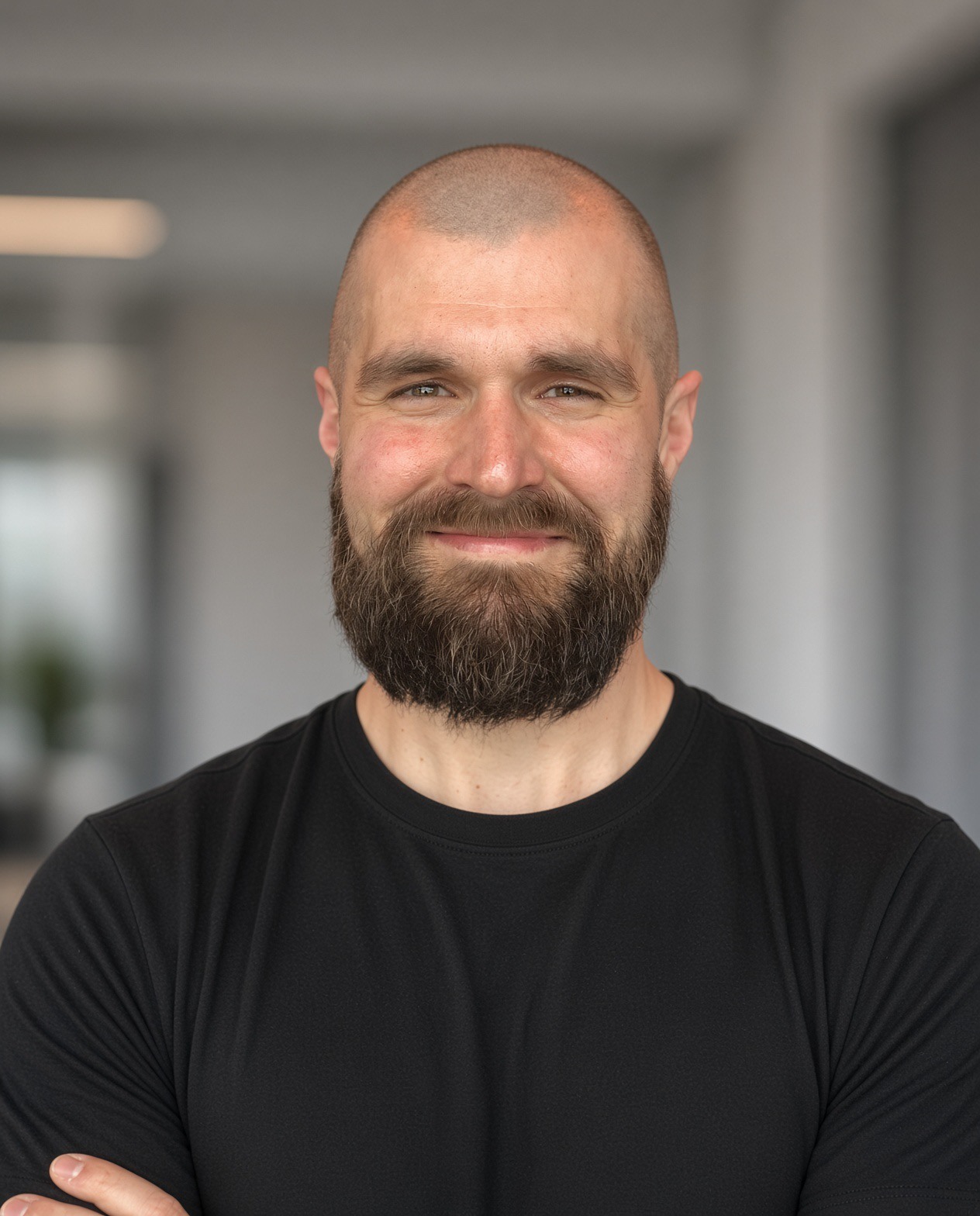
He built me to help you learn about him! Don't feel like scrolling? Ask about Mike's Workday experience, projects, technical skills, or whether he might be a fit for your team or project. No fluff. No wasted time.
Upload a job description and Ask Mike will compare it with his documented experience, highlighting relevant work, potential gaps, and questions worth asking.
Please don't upload confidential hiring information or personal data. Your document is processed for this assessment by Cloudflare's AI services; this website doesn't save it or send it to Mike. Only contact details you explicitly submit through the separate introduction form are forwarded.
Answers use reviewed public portfolio details and a dated LinkedIn profile snapshot, not live LinkedIn access. Please don't enter confidential data.
Share your contact details and what you'd like to discuss. Nothing is sent until you click Send introduction.
I work between technical systems and the people who depend on them, making complex HR technology clearer, more reliable, and easier to operate.
Functional-technical ownership across HCM, Absence, Benefits, Recruiting, reporting, data, security, and post-go-live operations.
Hands-on work across an estimated 50+ integrations, connecting HR systems with identity platforms, recruiting tools, benefits vendors, service delivery, and enterprise data.
Building practical tools and workflows that reduce friction, automate repetitive work, and make information easier to use.
Turning ambiguity into priorities, ownership, documentation, implementation plans, service models, and teams that can scale.
A worker event or business process isn't finished just because the transaction completed in Workday. The real test is what happens next: identity access, recruiting data, benefits, service delivery, and downstream reporting.
I’ve contributed in different capacities, from building new feeds and supporting deployments to modifying existing interfaces and tracing failures. The 50+ figure is my current estimate, not an audited integration count.
See the integration work ↗A curated look at the kinds of problems I solve. Explore the methods, tradeoffs and evidence behind the work.
Supported global absence work spanning 26 countries, with roughly 80 leave plans and more than 20 holiday calendars.
Reconciled approximately 750 benefits records and identified 57 people absent from an enrollment file, then built a revised file that passed structural validation.
Translated complex HR processes into structured employee journeys, role boundaries, policy rules and testable product scenarios.
Provided client-side technical support during a legacy HRIS-to-Workday migration, focusing on conversion, integrations, security and dependencies.
From ServiceNow and LinkedIn to Saviynt, SailPoint, benefits providers, and data warehouses: hands-on work across an estimated 50+ integrations, alongside governance of a 140+ integration ecosystem.
Helped a rapidly growing organization establish repeatable collaboration, onboarding, support and internal technology practices.
Most difficult systems problems are not just technical. They are also about ownership, decisions and what happens when something changes.
Small tools and experiments built around real problems. Most start with: “there has to be a better way.”
A budget dashboard I built to track transactions, group spending, and make weekly and monthly decisions easier. It uses Google Sheets as the data layer, Apps Script for business logic, and HTML, CSS and JavaScript for the interface.
Built around real household workflows, including category targets and recurring review. The example dashboard on the right uses illustrative values, not private financial data.
How it worksIllustrative UI concept. No live data or actual account balances.
This site is one of my Labs projects: a personal portfolio turned into an interactive product, with Ask Mike AI, recruiter job-description review, Workday Field Notes (Beta), and a searchable case-study library.
An AI-powered Workday reference assistant built to explain concepts, explore configuration questions, and troubleshoot across HCM, Absence, Reporting, Integrations, Security, and more.
A lightweight console concept for integration inventory, testing, ownership, authentication, environments, and blockers.
I've spent my career solving operational problems from both sides of the system. I started in people leadership, where processes were only as good as the experience they created for employees and customers. That perspective still shapes how I work with technology.
After more than a decade in multi-location fitness operations, I moved deeper into enterprise HR technology: Workday, benefits, global absence, data, reporting, security and integrations. Today, my work also spans client-side HR systems advisory, product thinking and building the infrastructure growing organizations need.
Regional leadership across multiple Orangetheory Fitness studios. Responsible for teams, training, staffing, customer experience and the systems that support consistent execution.
Enterprise Workday administration and cross-functional HR technology work, including global processes, benefits, integrations, reporting and operational problem-solving.
Chief of Staff and HRIS leadership work spanning client advisory, AI-informed HR product design, IT operations and repeatable support processes.
The common thread is straightforward: understand the people doing the work, find what makes the process harder than it needs to be, and build something that lasts.
Open to conversations about Workday, HR technology, integrations, systems leadership, consulting, and interesting things worth building.